Each lighthouse has it own unique issues and conditions. Obviously, restoring and maintaining lighthouse is expensive and must rely on donations and volunteers to keep them open.
Some lighthouses offer volunteer or docent opportunities. This can be as valuable as monetary contributions.
We all benefit by supporting lighthouses. And you can help by visiting them. They provide a great educational opportunity while providing a tourist destination. By visiting and taking an interest in lighthouses, you support them. Donations are always greatly appreciated when you visit. Many lighthouses have membership programs and even a docent program where you can participate. Which ever method you choose, remember that you are helping preserve the Salish Sea maritime heritage!
Although many lighthouses don’t require public support, some lighthouses throughout the Salish Sea are aided by donations from the public. As you visit the numerous lighthouses that are open for tours, donations can be made. Visiting the lighthouse, whether in person, or through the websites you may be given the opportunity to donate. This website is designed to aid you determining if donations are accepted or not.
Within the state of Washington, the Lighthouse Environmental Program (LEP) was developed to help support lighthouses. By purchasing a license plate, a portion of the proceeds goes to the program which, in turn, aids lighthouses for various projects.
List of Lighthouses that accept donations online
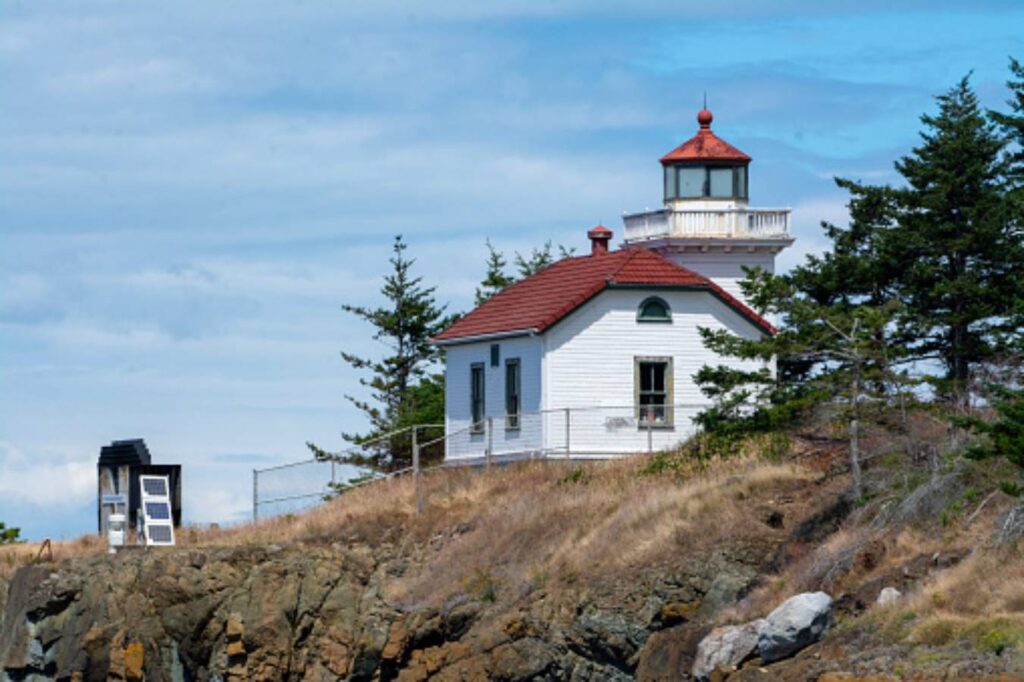
Burrows Island Lighthouse
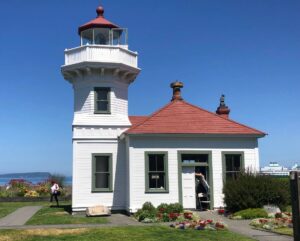
Mukilteo Lighthouse
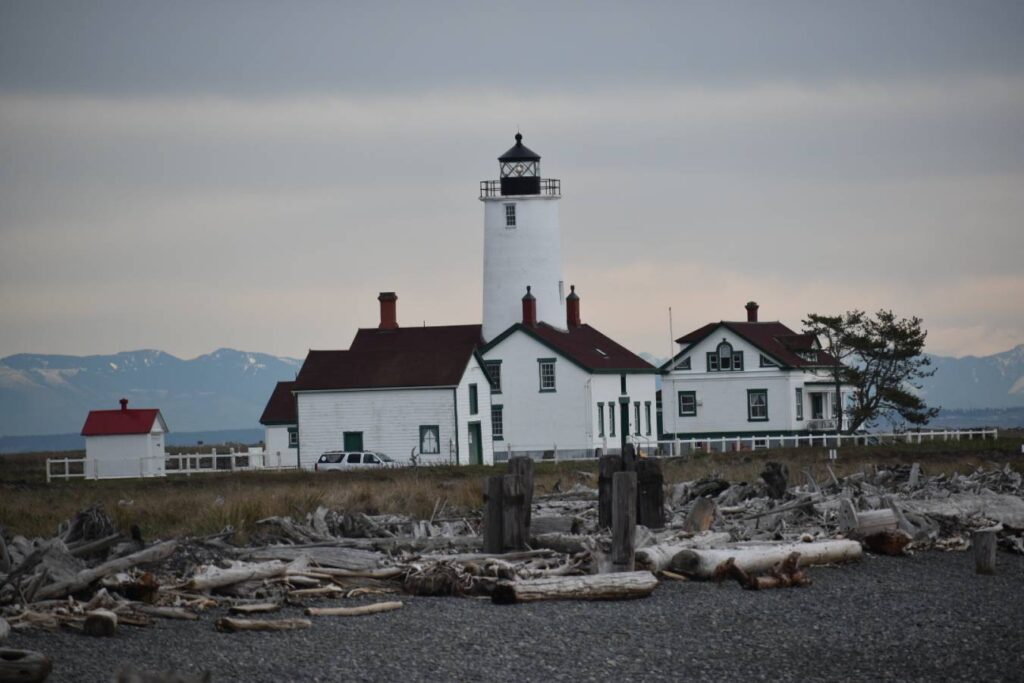
New Dungeness Lighthouse
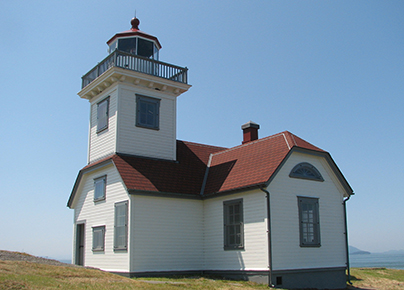
Patos Island Lighthouse
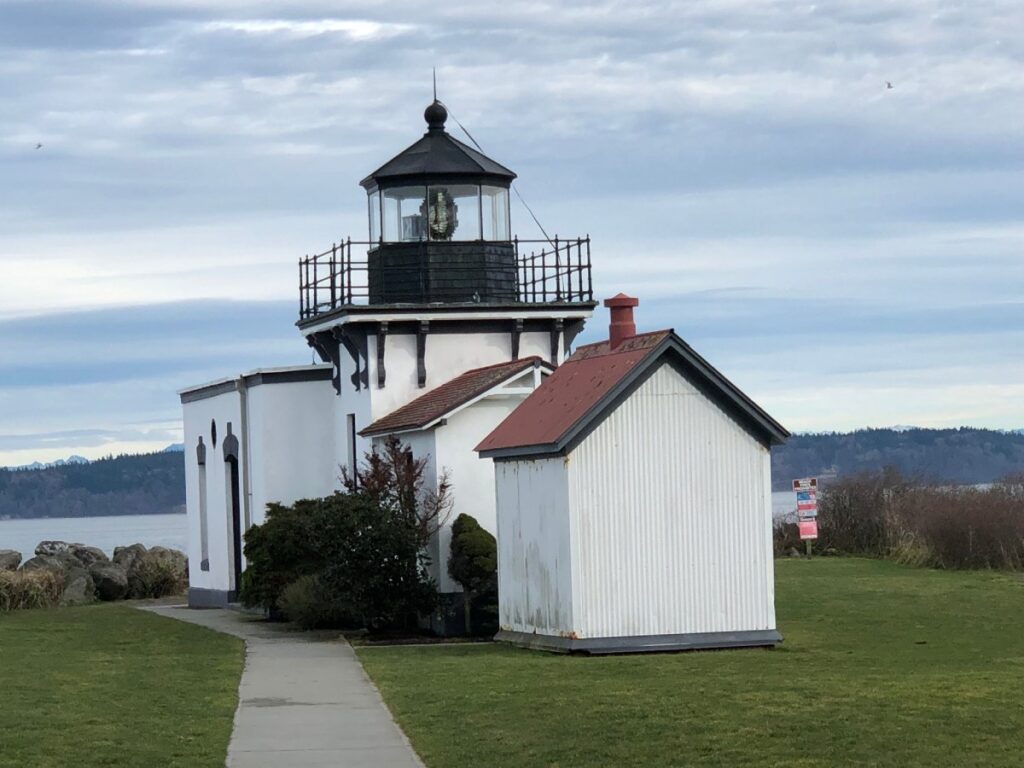
Point No Point Lighthouse
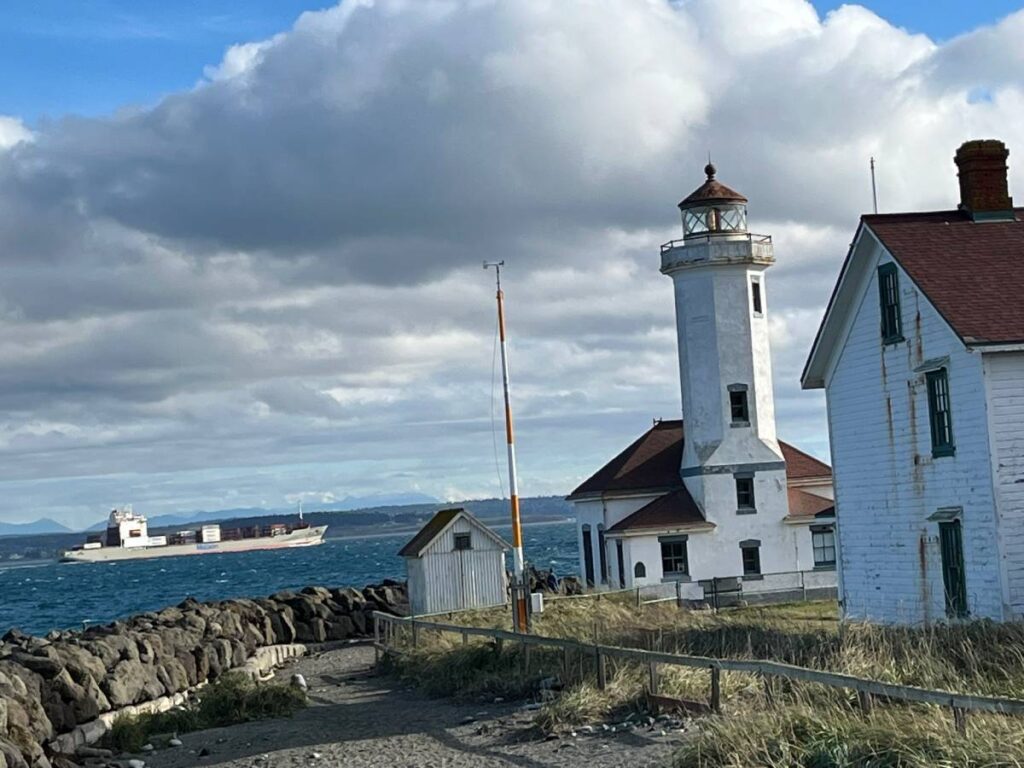
Point Wilson Lighthouse
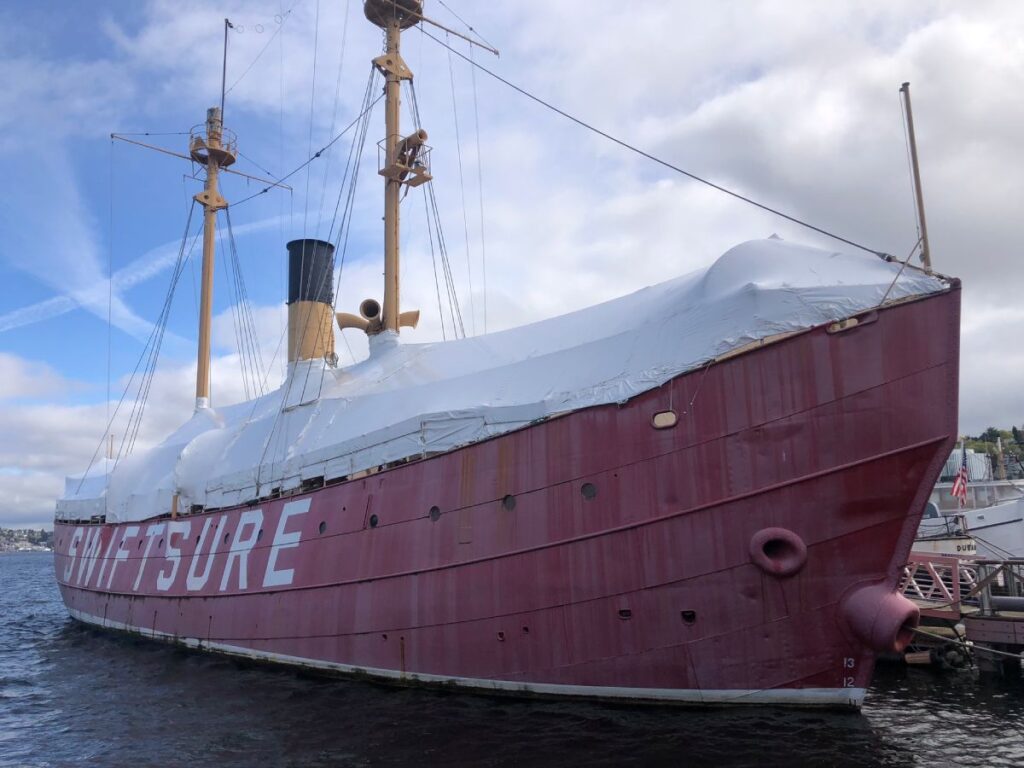
Swiftsure Lightship
National Historic Lighthouse
Preservation Act (NHLPA) of 2000
The NHLPA recognizes the cultural, recreational, and educational value associated with historic light station properties by allowing them to be transferred at no cost to Federal agencies, State and local governments, nonprofit corporations, educational agencies, and community development organizations. These entities must agree to comply with conditions set forth in the NHLPA and be financially able to maintain the historic light station. The eligible entity to which the historic light station is conveyed must make the station available for education, park, recreation, cultural, or historic preservation purposes for the general public at reasonable times and under reasonable conditions.
Only those light stations that are listed, or determined eligible for listing, in the National Register of Historic Places can be conveyed under this program. The nomination for listing, or determination of eligibility, is prepared by the U.S. Coast Guard (USCG) following guidelines set forth in 36 CFR 60.9(c) and 36 CFR 63, respectively, as part of their responsibilities prior to the property being transferred to the GSA inventory for disposal. Light stations that are not eligible for listing will be disposed of through other processes.